A well-maintained watering system can run easily for 20 years or even more, also in tough water and heavy clay dirts. I have actually seen business rotors still spinning real at year 18 because the proprietor committed to mindful water management and disciplined inspection. I have actually additionally seen five-year-old systems that looked two times their age, heads leaning like fence blog posts in springtime thaw, valves chattering versus debris, and controllers set to summer season schedules in October. Long life is not good luck. It is the outcome of audio setup, targeted lawn sprinkler maintenance, and the readiness to fix small troubles before they worsen into costly lawn sprinkler repair.
Start with the bones: setup selections that pay dividends
The easiest solution phone call to prevent is the one caused by bad design. If you acquire a system, you play the hand you are dealt. If you are still in style or thinking about upgrades, obtain the fundamentals right.
Uniform precipitation beats raw pressure whenever. On lawn, stick to head-to-head insurance coverage at matched precipitation prices, specifically on inclines. The leading chauffeur of uneven wear is mismatched nozzles that require owners to overwater to cover dry places. That implies more run time, even more cycles, and much faster aging. Tighten pipe routing wherever crossings with energies enhance danger. Glue joints effectively primed and healed for the complete set time are still the best insurance coverage against crying leakages that deteriorate soil around heads.
For new sprinkler installment, define swing joints on all pop-ups in turf and shrub adapters with correct riser height in growing beds. Swing joints stop lateral pipe tension when lawn mowers or feet strike a head, converting a possibly split suitable into a minor alignment touch-up. Consist of stress law as a layout default, whether via PRS heads, inline regulators, or high-efficiency shutoffs. A 5 to 10 psi reduction, when pressure is above target, saves water and relaxes misting that accelerates nozzle wear.
One last installment note that pays long-lasting: large shutoff boxes with gravel sumps. Adequate room around solenoids and fittings implies you are not reducing and restoring whenever you need to change a diaphragm. A tidy, dry box prolongs part life and minimizes callbacks.
Water quality and hydraulics, the twin forces that age a system
Two things quietly age watering components: the water streaming through them and the stress that drive it. If your source water lugs grit, iron, or calcium, the inner surfaces of nozzles and valves will scale and abrade much faster. If your fixed pressure differs extremely from dynamic pressure, that continuous series of forces will certainly nick seals and fatigue diaphragms.
Test source water when, after that retest every a couple of years or after energy adjustments. When iron surpasses approximately 0.3 ppm or firmness runs above 120 ppm as CaCO3, scale and discoloration speed up. You can fight back with upstream filtering, zone-level screens, or regular acid flushing in non-planting months. Several sites can manage with a 120 mesh Y-filter in advance of micro-irrigation and a 60 to 80 mesh in advance of spray zones. Cleanable stainless components set you back much more, yet they handle repetitive service with less risk of tearing compared to plastic screens.
On hydraulics, action fixed stress at a hose bib or test port, after that determine vibrant pressure under flow, preferably at the farthest head in an area. The delta informs you concerning friction losses and the possibility of heads starving, which presses proprietors to prolong runtimes. And when static stress sits 15 psi over a nozzle's maximum band, misting ends up being a fog that adventures off in light wind. That not just wastes water, it combs nozzle orifices quicker. Stress policy at the valve or head levels those tops and lowers wear.
Seasonal rhythm issues greater than any single tune-up
Systems last lengthiest when maintenance complies with the environment, not the schedule alone. Believe in stages: pre-season checks, mid-season modifications, late-season guarding. Each minute has a job to do.
In spring, the dirt is saturated and delicate in several regions. Transforming a system on at complete tilt compacts dirt around laterals and can lean heads. Rather, bring pressure up slowly. Open master shutoffs carefully. Purge lines zone by area with heads covered or nozzles got rid of to air vent debris. Check for winter heave, specifically where freeze-thaw cycles are common.
Mid-season, recalibrate runtimes as plant need increases, after that drops. Routines embeded in June usually continue to be in position with September out of comfort. That added water not just stresses plants, it enhances cycle counts and opens the door to disintegration around heads. If you make use of weather-based controllers, treat them as clever aides, not foolproof pilots. Validate their outputs once a month versus dirt moisture and plant performance.
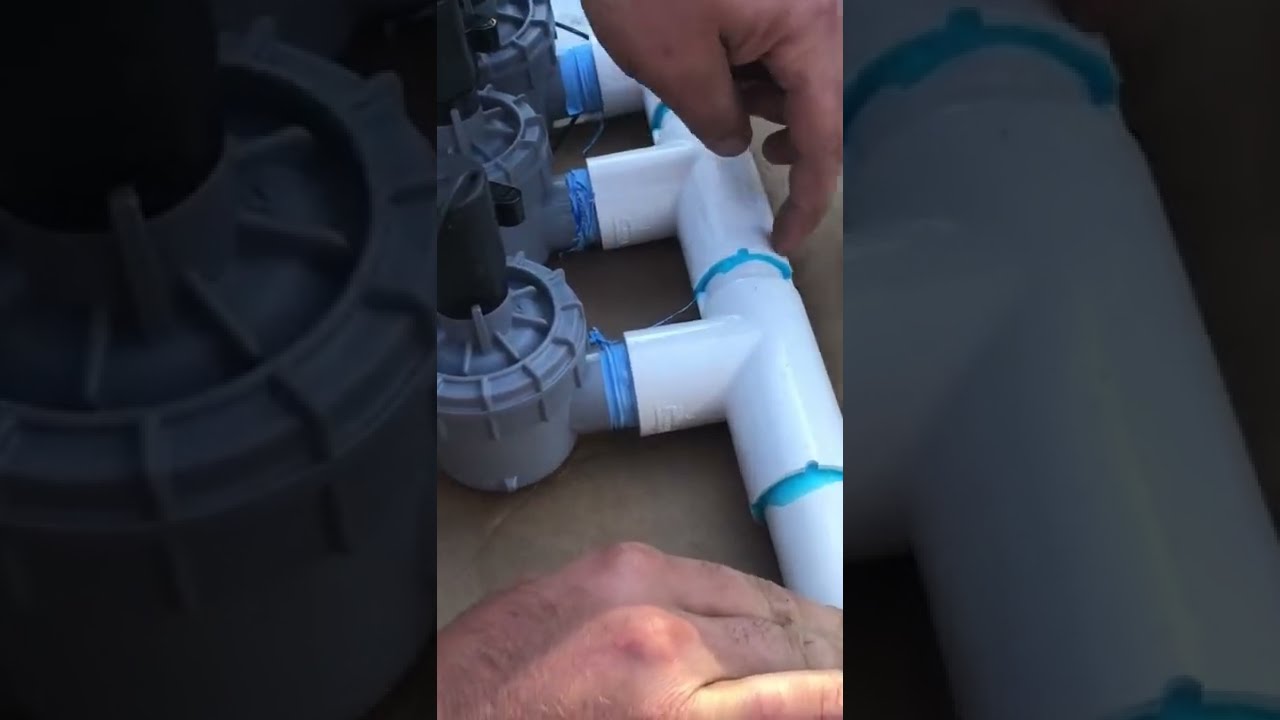
Late period, secure. Brief days and reduced sunlight decrease evapotranspiration dramatically. Several grass areas require half the summertime runtime by very early autumn, sometimes less. Decrease runtimes before temperature levels go down to safeguard origins and reduce illness pressure. Then prepare the system for inactivity with proper blowout techniques or valve draining, depending on climate.
A disciplined start-up protocol
A methodical start-up has actually saved me extra repair work than any kind of solitary behavior. New development conceals misaligned heads. Winter heave tweaks altitudes. The lure is to run all zones for 5 minutes and call it good. Stand up to that shortcut.
Here is a streamlined startup list I show to staffs:
- Pressurize the primary gradually and check the water meter for movement with all areas off. Any type of spin suggests a leak or open valve. Flush each lateral with nozzles removed or caps off, then re-install nozzles after water runs clear. Set all heads to quality and plumb, verify rotation arcs, and replace used wiper seals that leakage throughout stem travel. Verify dynamic stress at one representative head per zone and note it for year-over-year comparison. Run brief test cycles and observe spray pattern in tranquil problems to capture misting, trailing, or low head coverage.
That brief collection, done as soon as per period, catches 80 percent of looming issues before they cost you water or components.
Nozzles, arcs, and the physics of droplets
Nozzles are consumables, not lifetime elements. By year five to 7 on busy areas, the orifices normally reveal wear proportional to run hours and water quality. You will certainly see follower tails thin at the sides, or the bead spectrum will certainly alter towards penalties that drift away. The fix is basic: change with matched precipitation nozzles, and seize the day to remedy arc setups. Prevent the temptation to compensate for inadequate design with larger nozzles on a solitary head. That develops localized overwatering and boosts torque on the turret, shortening blades life.
If wind is common in the mid-day, schedule watering for early morning and choose low-angle nozzles on issue boundaries. A straightforward swap to a 10-degree trajectory can minimize drift loss, improve distribution harmony, and reduce the need for prolonged runtimes that mature the system faster.
Heads that lean, resolve, and seize
Pop-up heads favor to live at grade, upright, with a clean wiper seal. Fact is messier. Lawn mowers capture edges, compost constructs, soil clears up. Every lean steals distance and circulation. I lug a straightforward guideline: if a head is greater than 5 degrees off plumb or majority an inch low or high relative to surrounding quality, reset it. Lift with a shovel, settle the base, compact delicately in lifts, and established the top ring flush.
Sticking risers that groan on the way up commonly deal with grit in the body or a torn seal. Dismantle and wash, evaluate the springtime for corrosion, and change seals on heads with high run hours. If a specific place sees duplicated contamination, that is a hint to include an area filter or resolve a fractured lateral inviting dirt intrusions.

Valves: diaphragms, solenoids, and the art of quiet control
Valves age in predictable ways. Diaphragms tense or tear. Solenoids wear away at terminals or create intermittent coils. Flow controls wander out of the sweet place. When a shutoff babbles or falls short to close easily, stand up to cranking the circulation control shut up until the noise quits. That masks the underlying issue and starves downstream heads. Instead, isolate and flush. Remove the bonnet, clear particles, check the diaphragm for pinholes or folds up, and inspect the seat for nicks. Replace with OEM components when possible, specifically on older assemblies where resistances differ.
Label every shutoff cover with paint or a durable tag, consisting of zone number and serviced day. It sounds standard, but the ten mins spent avoids uncertainty later on and maintains future lawn sprinkler repair work efficient.
Controllers and circuitry, where small mistakes develop huge headaches
The controller closet often reflects the system's health and wellness. Neat conductors with correct splices and water-proof gel connectors often tend to correlate with fewer recurring mistakes. When troubleshooting a dead zone, step resistance on the typical and zone cable back to the valve. Normal solenoids usually read in the 20 to 60 ohm variety, depending on the brand. An infinite reading suggests a break. A close to no reading hints at a short. Paper these values and compare annual. A slipping boost can foreshadow rust at a splice.
For clever controllers, adjust site-specific specifications rather than approving the defaults. Program the proper rainfall price for each zone based on nozzle graphes, and dial in dirt kind, origin deepness, and permitted exhaustion using observed plant behavior, not simply textbook values. Smart organizing that thinks your clay loam is sandy dirt will certainly mis-time cycles and push additional wear on components.
Sensors that conserve water, and just how to maintain them honest
Rain, freeze, and dirt wetness sensing units extend component life indirectly by minimizing unneeded runtime. They just assist if they are tidy, calibrated, and sited appropriately. A rainfall sensing unit hidden under a thick eave or shaded by an evergreen canopy will certainly report fiction. Mount it where it sees the same skies as your grass. Evaluate yearly with controlled water, note journey thresholds, and change desiccant or disks as needed.
Soil dampness sensing units include subtlety, but they are not install-and-forget. Place them at representative midsts for the target plant, prevent rooting dead areas near structures, and alter after significant landscape modifications. Their readings must associate a screwdriver test in the dirt. If the sensing unit claims damp and your screwdriver comes up completely dry, believe the screwdriver and troubleshoot.
Pressure law expands life as high as it saves water
Fast-moving water amplifies every issue. At 70 psi with a spray nozzle created for 30 psi, you get haze instead of beads and large drift. More vital for durability, you additionally get increased seal wear, greater torque on blades, and persistent valve stress. I have actually converted several zones to pressure-regulating heads or included valve-level regulatory authorities, and the most common owner remark is not about water financial savings, it is about security. Fewer callouts, less heads knocked off alignment by hazy overspray that lured lawn mowers closer, fewer arbitrary squeals at area start.
Target pressures matter. For conventional sprays, 30 psi is a common pleasant place. For rotors, 45 to 55 psi depending upon model. For high-efficiency nozzles, follow the supplier's band. Verify ahead with a pitot or gauge riser, not simply at the valve.
Filtration and flushing methods for filthy sources
Surface water and old iron keys carry a lot of shocks. Maintain debris out with organized filtering as opposed to a single, overly fine cartridge that plugs once a week and obtains bypassed in irritation. A display or disc filter at the point of link down to 60 to 120 mesh secures most spray and drip systems. After that, include zone-level displays where you see duplicated nozzle obstructions. Train staffs to backflush filters on a schedule matched to water quality and run hours, not just when circulation drops.
When areas display chronic clogging, run them in flush setting after trenching or landscape work. Pull nozzles, cap stems with flush caps or leave them open briefly, and run till the line removes visibly. The half an hour spent commonly conserves hours of random blockage searching later.
Leak detection and the subtle indications of trouble
Not all leaks reveal themselves as geysers. Lawn discoloration in a crescent shape around a head commonly suggests a side crack a couple of feet upstream. The wettest location marks the most affordable factor, not necessarily the break. See the water meter when zones are off. A slow spin indicates a mainline leak or a valve passing a little. If the meter holds consistent for an hour yet you see mushy dirt at a box, think a localized lateral or a box without drain as opposed to a whole-system issue.
Acoustic listening can aid on larger residential or commercial properties, however a sharp spade and client probing normally address most residential and light industrial leakages. When fixing laterals, cut out a lot more pipe than really feels necessary, deburr, and sustain the joint so it does not rest in a future void.
Documentation transforms maintenance right into a compounding asset
The difference in between guesswork and stewardship is a proof. Track head counts, nozzle types, shutoff versions, controller setups, stress readings, and service dates. Good records allow you identify patterns: a certain valve family members that falls short at an early stage high-pressure sites, or a bed that swallows heads every springtime since the soil needs architectural amendment.
If you are building your very first log, catch these essentials:
- Zone-by-zone nozzle types and rainfall rates, plus target run times for peak season. Valve areas with images, design numbers, and last diaphragm change date. Dynamic pressure at depictive heads and fixed stress at the factor of connection. Filter kinds, mesh rankings, and solution periods consisting of backflush dates. Sensor positionings, calibration days, and observed limits for shutdown.
Digital is great. A simple common spread sheet with photos functions along with specialized software as long as a person updates it. What matters is continuity.
When to fix and when to replace
There comes a factor where piecemeal solutions set you back greater than a targeted upgrade. If a zone has mixed spray bodies from 3 eras, a loads adapters, and no stress guideline, your repair bucks go after symptoms. Replacing that zone's heads with pressure-regulating designs and matched precipitation nozzles can expand life and cut runtime. On valves, if diaphragms fall short in collections and hoods reveal tension bleaching, you are most likely near the end of service life for that line. Rebuild sets can purchase another five to seven years, yet just if the seats stay clean and unscarred.
Controllers tend to last a decade or more. If irrigation requirements have grown facility, or you are constantly overriding a basic clock to match weather condition, an upgrade to a weather-responsive system with appropriate website calibration might reduce run hours 10 to 30 percent. Less hours translate to longer component life.
The business economics of prevention
Most proprietors track water costs, less track element depreciation. A regular property system with 8 to twelve zones may see $150 to $400 each year partly if ignored, usually in three or 4 emergency calls. A regimented regime of assessment, filter solution, and tiny components replacement may run fifty percent that, with the added advantage of minimized water usage. On business lawn with dozens of blades, the cost savings scale up. I have actually seen metropolitan websites reduced fixing occurrences by a 3rd in two periods just by enforcing pressure regulation and switching used nozzles on a schedule.
When budgeting, alloted a portion of annual water invest for proactive lawn sprinkler upkeep. A general rule I offer centers groups is 15 to 25 percent of the water costs as an upkeep book. In high-cost water areas, you might invest that on filtering and stress control in year one, then enjoy both water and repair cost savings thereafter.
Edge situations that test your plan
Not all sites are produced equal. Recovered water commonly brings greater solids and variable pressure. Salt content can tense diaphragms faster. For those websites, upsize purification, tighten up solution periods, and keep extra seals available. Coastal wind patterns suggest for low-angle nozzles and even more careful scheduling. Steep slopes force short, duplicated cycles, boosting valve procedures. There, focus on high-reliability valves and take into consideration damaging zones right into micro-slope sections to decrease cycle matters per valve.
In dry environments with large everyday temperature swings, rubber components cycle via expansion and contraction a lot more strongly. Expect seals to age out a period or more earlier than in pleasant locations. Reduce with color on controllers, clean electrical connections, and parts bins matched to your environment.
Training the hands that touch the system
Even the very best strategy fails if the people preserving the system are rushed or untrained. A 30-minute tailgate session at the start of springtime covering basic positioning, stress checks, and paperwork requirements repays promptly. Motivate teams to repair minor issues right away instead of deferring to a later browse through. A leaning head fixed throughout examination prevents scalping, which prevents a damaged riser, which avoids a weekend emergency.
If you work https://caidenhcvz061.lumenforgex.com/posts/usual-sprinkler-head-issues-and-just-how-to-fix-them with a contractor, make expectations specific. Request for a springtime start-up report with pressures, headcount by type, and pictures of any kind of major problems. Specify action times for leakages and compose into the contract that nozzles will be replaced with matched rainfall kinds, not whatever is in the vehicle bin.
Safety and care around energies and structures
Irrigation fixings commonly imply excavating. Call utility locators where needed, also for superficial work in unfamiliar ground. Stay clear of trenching near tree trunks to secure flare origins, and never ever cover a head tight to a trunk to "streamline" insurance coverage. Roots and bark will certainly grow over it, capturing the head and guaranteeing breakage.

At building borders, objective spray away from siding and structures. Water that sheets down a wall surface for many years will stain, rot trim, and trigger pest issues. Adding a dripline in beds against frameworks and retiring the nearest spray head frequently removes threat and reduces element matter, which lengthens life.
A couple of lived lessons from the field
A college area had chronic breakdowns on a field with 72 blades. The prompt culprit appeared to be children stepping on heads near the sidelines. The underlying trouble was stress. Static stress at the point of connection sat at 95 psi, dynamic at the far heads was still above 80 psi. Misting was widespread, arcs were inconsistent, and seals fell short early. We included a 60 psi regulator on the main branch and converted the most awful areas to PRS blades. Breakdown calls stopped by half the following season, water utilize come by approximately 18 percent, and seal replacements virtually stopped.
On a small HOA, a freshly designed incline deteriorated every springtime. The landscaping company criticized rains. The actual reason was a mix of 15-foot nozzles and 12-foot arcs on the very same zone, forcing long runs that bewildered the incline. We transformed to matched rainfall, low-angle nozzles and established cycle-and-soak with 4 brief cycles. The incline held, plant vitality enhanced, and runtime decreased. A lot more significantly for durability, valve cycles were foreseeable and shorter, reducing chatter and diaphragm wear.
Pulling it together
Long life in an irrigation system is never about a single method. It is the aggregation of practical options, from lawn sprinkler installment details to determined seasonal changes. Get water high quality controlled. Regulate stress to what your nozzles anticipate. Change nozzles on a schedule before spray patterns weaken. Keep heads at quality, upright, with clean seals. Solution valves with persistence and the appropriate components. Adjust controllers and sensing units based on observed conditions, not marketing duplicate. And record whatever so you can learn from the system's history rather than relearning the very same lesson each season.
Treat lawn sprinkler upkeep as a craft. The system will certainly compensate you with fewer shocks, healthier landscapes, and elements that age gracefully rather than prematurely.